
Our Courses

Introduction to Colourful Semantics
Dive into the basics of Colourful Semantics in this FREE VIDEO delivered by our Senior Speech and Language Therapist, Helena Parkes. Discover how Colourful Semantics can aid in language development in children, and take the quiz to prove your newfound knowledge. Sign up now and join us on this educational journey!
Introduction to Selective Mutism
In this training on Introduction to Selective Mutism (SM) will explore an overview of what Selective Mutism is, what it looks like, its signs, and how to provide support to Children with Selective Mutism. Finally, you can take the comprehension quiz to prove your newfound knowledge. Sign up now and join us on this educational journey!

Introduction to Stammering
In this training on Introduction to Stammering, delivered for our Senior Speech and Language Theraoist, Kathryn Ellis, we will have an overview of what stammering is, what it looks like, its signs, and how to provide support to Children who stammer. Finally, you can take the comprehension quiz to prove your newfound knowledge. Sign up now and join us on this educational journey!
Colourful Semantics
3 Modules + Comprehension Quizzes
+ Certificate of Attendance
This course explores how you can use Colourful Semantics as a language intervention to support children with SLCN. Colourful Semantics is a method of teaching children to understand and construct their own sentences using a specific colour-coding system. Through activities and strategies, participants learn how Colourful Semantics fosters vocabulary expansion, enhances sentence structure, and improves narrative skills, making it applicable across mainstream and specialist education environments.
Learning Objectives
- What is Colourful Semantics
- How to use and implement colourful semantics – The main parts.
- How to use and implement colourful semantics – Additional parts.
- Using Colourful Semantics to support narratives.
- Generalising Colourful Semantics into the classroom.

Who is this for
Our training courses are perfect for education and childcare professionals, such as teachers, teaching assistants, and SENCOs. The course is also suitable for speech and language therapists, student SLTs, parents, caregivers, and anyone interested in learning how to support children with SLCN.

Who is this For
Our training courses are perfect for education and childcare professionals, such as teachers, teaching assistants, and SENCOs. The course is also suitable for speech and language therapists, student SLTs, parents, caregivers, and anyone interested in learning how to support children with SLCN.
Basics of Bucket Therapy
1 module + comprehension quizz + Certificate of attendance
This Bucket Therapy course will show you how you enhance early attention skills in children through this approach. Bucket therapy aims to support children’s attention skills, helping them to develop and maintain focus for a longer period of time. And how you can implement it in your daily practice.
Learning Objectives
- What is Bucket Therapy?.
- Why use Bucket Therapy?.
- What should be put in the bucket?.
- How does it work?.
- Demonstrative video: How to deliver it.
Supporting Children with Speech, Language and Communication Needs
5 Modules + Comprehension Quizzes + Certificate of
Attendance
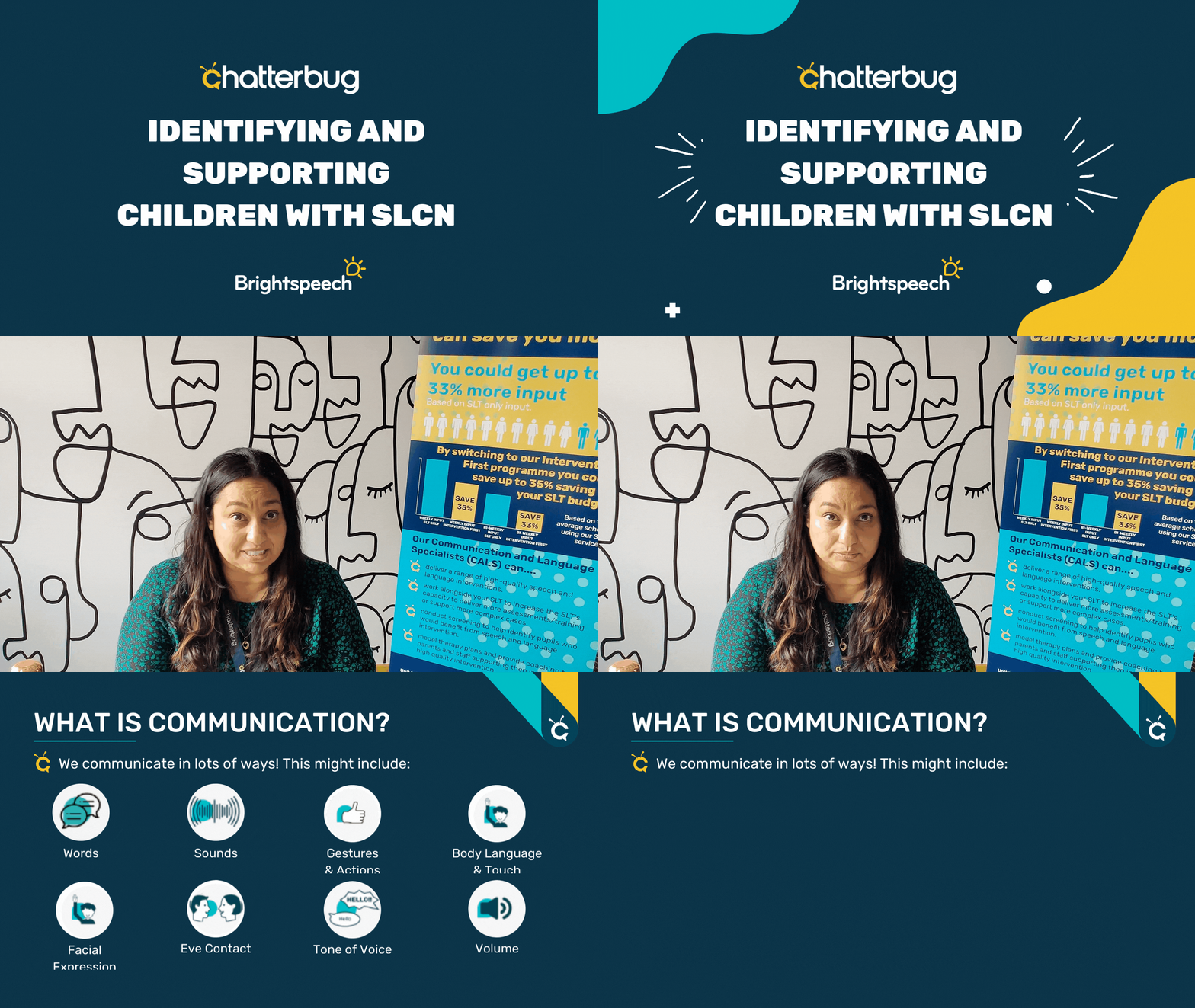
This training aims to increase understanding of how speech, language, and communication skills develop and how to identify and support children with Speech, Language and Communication Needs (SLCN). We will explore the impact of SLCN on education and what you can do to support children and young people to reach their full potential.
5 Modules + Comprehension Quizzes + Certificate of
Attendance
- What is communication and how does it develop.
- What does typical language development look like.
- Understanding Information Carrying words.
- Identifying Speech, Language and Communication Needs.
- SLCN in Bilinguals.
- Strategies to support children with SLCN.
Who is this for
Our training courses are perfect for education and childcare professionals, such as teachers, teaching assistants, and SENCOs. The course is also suitable for speech and language therapists, student SLTs, parents, caregivers, and anyone interested in learning how to support children with SLCN.

Who is this for?
Our training courses are perfect for education and childcare professionals, such as teachers, teaching assistants, and SENCOs. The course is also suitable for speech and language therapists, student SLTs, parents, caregivers, and anyone interested in learning how to support children with SLCN.
Selective Mutism
5 modules + comprehension quizzes for each module + Certificate of attendance
This training equips you with valuable insights, practical strategies, and a holistic understanding of Selective Mutism. From recognising signs to implementing supportive environments and seeking professional intervention, this course empowers you to make a positive impact on individuals facing Selective Mutism challenges.
Learning Objectives
- Selective Mutism overview.
- Understanding SM as an anxiety and communication disorder.
- Strategies to support children and young people with Selective Mutism.
- Understanding Selective Mutism in older children.
- Key points to know when to seek support and further intervention.
English as an Additional Language
3 modules + Comprehension quizzes for each module + Certificate of attendance
This course is designed to equip participants with the knowledge and skills needed to effectively support children whose first language is not English. We will explore various strategies, top tips, and best practices for teaching English as an additional language (EAL) in diverse educational settings. Through a combination of theoretical insights and practical applications, this course aims to empower you to create inclusive and supportive learning environments for English language learners.
Learning Objectives
- What is English as an Additional Language: The theory.
- What is the Silent Period and how to support children in the silent period.
- Strategies and top tips to support children learning EAL.
Who is this for?
Our training courses are perfect for education and childcare professionals, such as teachers, teaching assistants, and SENCOs. The course is also suitable for speech and language therapists, student SLTs, parents, caregivers, and anyone interested in learning how to support children with SLCN.
Who is this for?
Our training courses are perfect for education and childcare professionals, such as teachers, teaching assistants, and SENCOs.
Supporting Complex Communication Needs
8 Courses in 1 + Quizzes and Certificate
2 hours worth of strategies delivered by our Speech and Language Therapists, you’ll discover the most effective approaches to understand and support children across all settings, including specialist environments. This dynamic course is designed to equip you with everything you need to implement the best strategies in your classroom!
The modules include:
- Intensive Interactions course for Specialist Settings
- Expanding and Developing Communication and Language Skills course for Specialist Settings
- Objects of Reference course for Specialist Settings:
- Supporting Emotional Regulations course for Specialist Settings
- Using Visuals to Support Expressive Communication course for Specialist Settings:
- expressive communication.
- Aided Language course for Specialist Settings
- Using Visuals to Support Understanding courses for Specialist Settings
- understanding.
- Creating Communication opportunities course for Specialist Settings
Supporting Emotional Regulation
5 modules + Comprehension quizzes for each module + Certificate of attendance
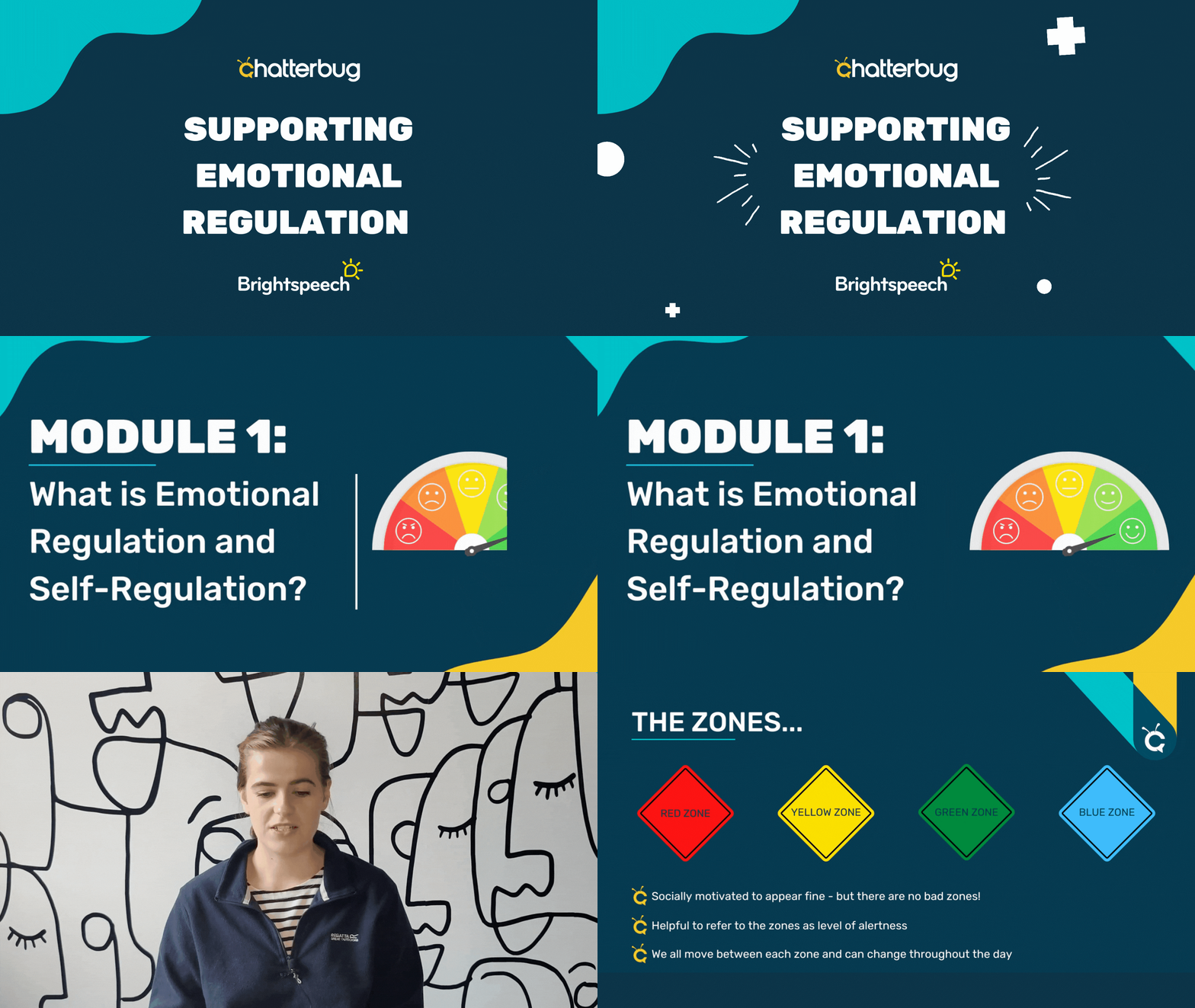
This workshop looks at Supporting Emotional Regulation and how the Zones of Regulation programme can be implemented to teach self-regulation. This course provides an overview of emotional regulation and how to support the skills. A child or young person who presents with difficulties relating to their emotional regulation skills may present with unexpected or disruptive behaviours or respond to situations with unexpected responses. Therefore, it is important for staff to develop an understanding of emotional regulation and appropriate approaches.
Learning Objectives
- What is Emotional Regulation and Self Regulation
- Framework and Ideology: Understand what ‘Zones of Regulation’ is
- Strategies & Practices
- Behaviour and Emotions:
- Key points of Emotional Regulation: To be aware of our role and boundaries with regards to emotional regulation.
Who is this for?
Our training courses are perfect for education and childcare professionals, such as teachers, teaching assistants, and SENCOs. The course is also suitable for speech and language therapists, student SLTs, parents, caregivers, and anyone interested in learning how to support children with SLCN.

Who is this for?
Our training courses are perfect for education and childcare professionals, such as teachers, teaching assistants, and SENCOs. The course is also suitable for speech and language therapists, student SLTs, parents, caregivers, and anyone interested in learning how to support children with SLCN.
SLCN in Secondary
3 Modules + Comprehension Quizzes + Certificate
of Attendance
In this course, we’ll delve into the intricacies of Speech and Language Communication Needs (SLCN) in secondary populations. We’ll explore the development of speech and language skills, understand the impact of SLCN, and gain valuable insights and top tips for supporting older children.
Learning Objectives
- What is SLCN and how it develops in the Secondary population.
- Impact of SLCN on learning in the secondary population.
- Impact of SLCN on wellbeing in the secondary population.
- Impact of SLCN on future and employment.
- What to do to support older children with SLCN.
The Parent's Guide: Supporting my child with SLCN
3 Modules + Comprehension Quizzes + Certificate
of Attendance
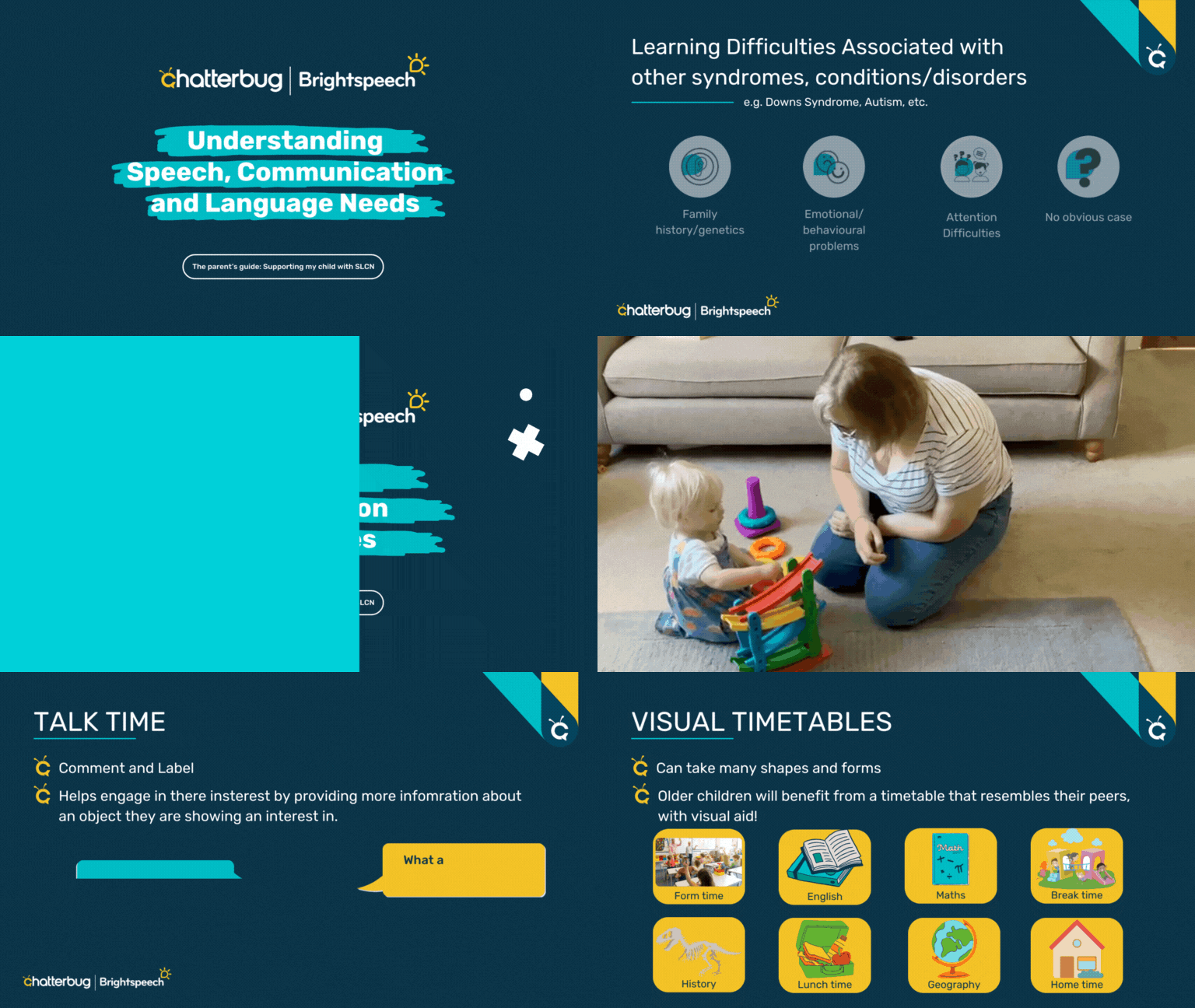
This course delves into understanding Speech, Language, and Communication Needs (SLCN) in children and equips parents with strategies to create communication opportunities and offer support. By the end of this course, participants will have gained valuable insights and practical skills to better understand, communicate with, and support children with Speech, Language, and Communication Needs (SLCN) effectively.
Learning Objectives
- Understanding Speech, language and Communication Needs in my children.
- Creating Communication Opportunities: best practices for parenting your child with SLCN.
- Supporting Children with SLCN: top tips from the specialists.
Who is this for?
This training course is designed for parents, caregivers, and anyone interested in understanding and supporting children with SLCN. It is suitable for individuals seeking practical guidance on enhancing communication skills and facilitating language development in children.
Stammering Overview
3 modules + Comprehension quizzes for each module + Certificate of attendance
This stammering course provides a comprehensive understanding of stammering, covering its characteristics, types, and developmental aspects. Participants will explore the impact of stammering on individuals and learn about fluency and dysfluency. Emphasis will be placed on practical strategies to support individuals who stammer in various contexts, equipping participants with valuable skills to build confidence in those they support. The course includes theoretical perspectives and is delivered by our Senior Speech and Language Therapy specialist in stammering.
Learning Objectives
- What does stammering look like?
- Types of stammering.
- Developmental stammering: The theory.
- Impact on individuals who stammer.
- What Fluency and Dysfluency is.
- Strategies to support individuals who stammer.

Who is this for?
Our training courses are perfect for education and childcare professionals, such as teachers, teaching assistants, and SENCOs. The course is also suitable for speech and language therapists, student SLTs, parents, caregivers, and anyone interested in learning how to support children with SLCN.

Who is this for?
- Speech and language therapists and SLT students.
- Educators and special education professionals.
- Parents and caregivers of individuals with gestalt language processing.
- Any professional working in fields related to communication and developmental support.
Gestalt Language Processing (GLP) Course
4 Modules + Comprehension Quizzes + Certificate
The GESTALT Language Processing Live Training is an interactive and comprehensive course designed for professionals and caregivers who support individuals with gestalt language processing. This course provides a deep understanding of the unique ways gestalt language processors acquire and use language, offering practical tools and strategies to foster effective communication and language development.
Learning Objectives
- Develop an understanding of what a gestalt language processor is and how they differ from analytic language processors.
- Understand how gestalt language processors learn language uniquely.
- Learn to identify the stages of gestalt language processing.
- Enhance skills and strategies for supporting a gestalt language processor effectively.
- Explore techniques for transitioning from echolalia to spontaneous, self-generated language.
- Gain knowledge of where to seek further support, advice, and resources.
- Create inclusive and engaging communication environments tailored to individual needs.
Autism Support for Parents
3 Modules + Comprehension Quizzes + Certificate
This course provides parents with practical strategies and insights to support their autistic child. It explores key areas such as communication, sensory processing, emotional regulation, and social interaction. Parents will learn about tools like AAC, understanding echolalia, gestalt language processing, and fostering self-advocacy skills. The presentation also includes key facts about autism and Speech, Language, and Communication Needs (SLCN) to help parents better understand their child’s unique experiences. The focus is on embracing neurodiversity, recognising strengths, and creating inclusive environments at home, school, and beyond.
Learning Objectives
- To gain insights into the key characteristics of autism, including language, communication, sensory processing, and social interaction differences.
- To explore practical approaches to support communication, emotional regulation, and social skills development tailored to an autistic child’s needs.
- To empower parents to advocate for their child’s needs, foster their strengths, and create inclusive environments at home, school, and in the community.

Who is this for?
This course is perfect for parents, caregivers, and education professionals such as teachers, teaching assistants, SENCOs, speech and language therapists, and student SLTs who want to gain insight into autism, how it presents, and strategies to support autistic individuals

Learning Objectives
- Understand the principles of coaching and how they apply to speech therapy.
- Learn how to create a safe and trustful environment for communication development.
- Develop skills in active listening, asking powerful questions, and providing constructive feedback.
- Use solution-focused approaches to set and achieve communication goals.
- Identify and apply neuroscience insights to enhance learning and engagement.
- Implement effective coaching techniques tailored to individuals with SLCN.
- Learn how to foster collaboration among therapists, caregivers, and educators.
- Develop confidence in guiding clients toward self-awareness, self-reflection, and growth.
Introduction to Coaching in Speech Therapy
3 Modules + Comprehension Quizzes + Certificate
This course provides a structured and interactive approach to coaching within speech therapy, focusing on empowering speech therapists, educators, and caregivers to foster effective communication development. Drawing from evidence-based practices, neuroscience, and solution-focused coaching methods, participants will learn how to create positive change, set achievable goals, and build strong, collaborative relationships with clients.
Through this course, learners will gain valuable skills in active listening, questioning techniques, and goal setting to enhance their ability to support individuals with Speech, Language, and Communication Needs (SLCN). Whether working with children, young people, or individuals with complex communication difficulties, this course offers practical strategies that drive meaningful progress.
Who is this for?
- Speech and Language Therapists (SLTs) and Communication and Language Specialists (CALs)
- Educators and teaching assistants working with children with communication challenges
- Parents and caregivers supporting individuals with SLCN
- Youth offending teams and professionals working with young offenders
- Anyone interested in using coaching techniques to support communication development
Communication Boards
2 modules with demo video + Quiz + Certificate
Developing an understanding of Augmentative and Alternative Communication (AAC) is essential for supporting individuals with communication challenges. Communication boards are a key AAC tool, designed to assist non-verbal or minimally verbal individuals in expressing themselves. Learning how to effectively use communication boards is crucial, as it empowers both the user and their supporters to foster meaningful interactions. Developing the skills necessary to support a child or young person in using a communication board ensures they can maximise its potential in everyday settings.
Who is this for?
Our training courses are perfect for education and childcare professionals, such as teachers, teaching assistants, and SENCOs. The course is also suitable for speech and language therapists, student SLTs, parents, caregivers, and anyone interested in learning how to support children with SLCN.
Learning Objectives
-
What is AAC.
-
What are Communication Boards
-
How to Use Communication Boards.
-
Developing Learner Skills to Support a Child or Young Person Using a Communication Board.
-
Identifying When to Seek Further Help.

Learning Objectives
- Explain the key principles and purpose of Lego® Therapy.
- Identify the roles and structure of a typical session.
- Plan and deliver a child-centred, inclusive Lego® Therapy session with confidence.
Introduction to Lego® Therapy
Comprehensive Quiz + Certificate
This course provides an insight into the benefits of Lego® Therapy. Learners will be introduced to the manners of which Lego® Therapy can aid in building and boosting the communication of the children and young people involved in the activity, as well as the history and evidence surrounding the format.
Learners will also be given valuable tips and strategies to help structure their own Lego® Therapy sessions.
Who is this for?
- Speech and Language Therapists (SLTs) and Communication and Language Specialists (CALs)
- Educators and teaching assistants working with children with communication challenges
- Parents and caregivers supporting individuals with SLCN
- Youth offending teams and professionals working with young offenders
- Anyone interested in using coaching techniques to support communication development
Developmental Language Disorder (DLD)
4 modules + Quiz + Certificate
This course explores the hidden disability of Developmental Language Disorder (DLD).
DLD is estimated to affect 7% of children and young people in the general population, which equates to approximately two children in every classroom. This condition is more common than autism; however, DLD is not as widely recognised.
In this on-demand course, we will explain what DLD is, including its definition, key characteristics, and support strategies, to help you gain knowledge on how to support children with DLD in the classroom
Who is this for?
Our training courses are perfect for education and childcare professionals, such as teachers, teaching assistants, and SENCOs. The course is also suitable for speech and language therapists, student SLTs, parents, caregivers, and anyone interested in learning how to support children with SLCN.

Learning Objectives
- Understand what DLD is and how it impacts children across different areas of development.
- Recognise early signs and indicators of DLD across age ranges.
- Gain practical strategies and interventions to support children with DLD in the classroom.

Learning Objectives
By the end of this course, participants will:
-
- You’ll have a solid understanding of how we approach vocabulary teaching
- How to apply these strategies in your classroom
- How to create a language-rich learning environment.
Vocabulary Approach Course
Lesson + Quiz + Certificate
This engaging, evidence-based training introduces the Vocabulary ApproachL a structured method designed to enhance vocabulary instruction for all children, including those with speech, language, and communication needs. Through practical strategies, visual tools, and classroom routines, educators will learn how to make vocabulary learning inclusive, impactful, and fun.
Who is this for?
- Speech and Language Therapists (SLTs) and Communication and Language Specialists (CALs)
- Educators and teaching assistants working with children with communication challenges
- Parents and caregivers supporting individuals with SLCN
- Youth offending teams and professionals working with young offenders
- Anyone interested in using coaching techniques to support communication development
Everyday Communication Strategies
Lesson + Quiz + Certificate
mEveryday Communication Strategies: making the most of daily Moments is a practical training course designed to help families and practicioners support their child’s language development through simple, everyday interactions. Instead of creating extra work or structured tasks, this course shows parents and carers how to use ordinary routines like mealtimes, getting dressed, walking to school, and playtime, as powerful opportunities for building communication skills.
Through clear examples and practical strategies such as modelling, recasting, naming, commenting, and expanding, families will learn how to create a language-rich environment that supports children’s speech, vocabulary, and sentence development in a natural and engaging way.
Who is this for?
- Parents and carers of young children who want to encourage speech, language, and communication skills at home.
- Early years practitioners (nursery staff, childminders, teaching assistants) looking for practical strategies to embed into everyday routines.
- Families with concerns about their child’s communication development who would like to try supportive approaches before seeking further help.
- Speech and Language Therapists (SLTs) and Communication and Language Specialists (CALs)

Learning Objectives
By the end of this course, the learner will:
- Understand how everyday routines and interactions can be used to support language development.
- Learn practical communication strategies: modelling, recasting, naming, commenting, and expanding, and how to apply them in daily moments.
- Feel more confident in supporting their child’s communication at home without adding extra workload.
- Recognise what to avoid (e.g., too many questions, correction-based approaches) to protect children’s confidence and self-esteem.